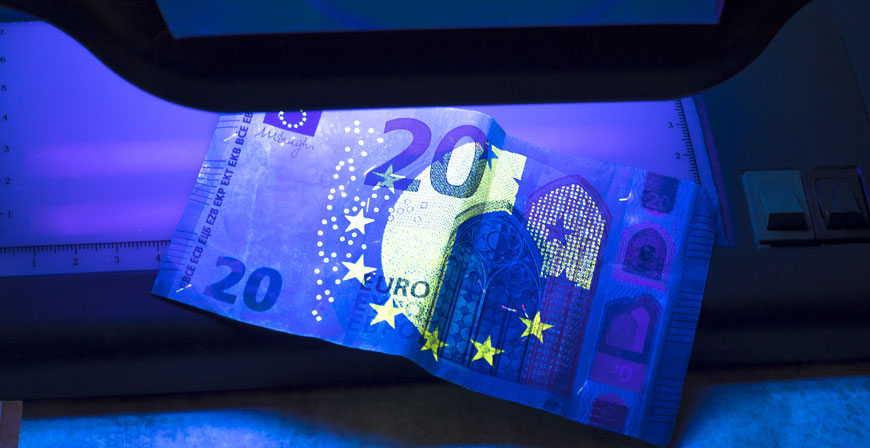
Navigating the Shadows: The Risks and Realities of Buying Euro Counterfeit Money
In a progressively digital world, where financial transactions happen with a click of a button, the attraction of counterfeit currency has actually continued. Amongst the currencies that attract counterfeiters, the Euro stands out due to its extensive usage across several European countries. This post checks out the dirty waters of buying counterfeit Euro money, the motivations behind it, the threats involved, and the legal effects of participating in such activities.
Comprehending Counterfeit Currency
Counterfeit currency refers to fake banknotes or coins produced with the intent to deceive and used as if they were legal tender. The Euro, as the main currency of 19 of the 27 European Union countries, is remarkably intricate, combining advanced security functions that make counterfeiting challenging. Nevertheless, the high need for Euros and the large number of banknotes in circulation produce chances for counterfeiters to exploit.
Why People Consider Buying Counterfeit Euros
There are a range of reasons people may be tempted to buy counterfeit money, including:
- Financial Gain: Some think they can make money from utilizing counterfeit money, whether to buy products at a lower cost or to resell counterfeit products for real money.
- Privacy: The relative anonymity of online deals might entice individuals, making them feel shielded from legal effects.
- Desperation: In times of monetary difficulty, some may view counterfeit currency as a quick repair for their financial troubles.
- Curiosity and Pranks: A little number might be encouraged by novelty, interest, or the intent to prank buddies or household members.
The Risks of Buying Counterfeit Euro Money
While the principle of purchasing counterfeit Euro money may appear luring, the reality is stuffed with substantial risks. A few of the most important threats consist of:
1. Legal Ramifications
Counterfeiting is prohibited in a lot of jurisdictions, including all European Union member states. Taking part in counterfeiting activities can result in severe penalties, consisting of large fines and jail time. According to EU law, the charges for producing or distributing counterfeit currency can vary by country but frequently consist of severe criminal charges.
2. Financial Losses
Acquiring counterfeit money is a gamble. There is no warranty that the currency will be accepted, and if found, the buyer could lose both their financial investment and face legal consequences. In addition, counterfeit banknotes can be tough to identify, causing financial losses when trying to utilize them.
3. Ethical Implications
Using counterfeit currency undermines the integrity of the financial system. It affects real organizations, customers, and the overall economy. The expenses associated with counterfeiting are often passed onto customers, driving costs up and wearing down trust in monetary systems.
4. Online Scams
Numerous people interested in counterfeit currencies often turn to the web to discover sellers. However, numerous rip-offs target unsuspecting buyers. These frauds may include fraudulent websites or individuals impersonating genuine sellers, causing a loss of money without getting any item.
Key Considerations for Individuals
For anybody contemplating the purchase of counterfeit Euro money, several considerations should be taken into account:
- Research: Understanding the legal implications and the risks connected with counterfeiting can offer clarity on the gravity of the circumstance.
- Understand Security Features: Genuine Euro banknotes come equipped with sophisticated security functions implied to make counterfeiting exceedingly challenging. Familiarity with these features can help in acknowledging counterfeit notes if they enter one's ownership.
- Look For Legal Avenues: Instead of resorting to prohibited activities, individuals dealing with financial issues should check out lawful options such as personal budgeting, loans, or community assistance programs.
Typical Frequently Asked Questions (FAQs)
1. What are the legal repercussions of utilizing counterfeit money?
Using counterfeit money can lead to criminal charges, consisting of fines and jail time. The intensity depends on the amount included and the jurisdiction.
2. How can I recognize counterfeit Euro notes?
Authentic Euro banknotes have a number of security features, consisting of watermarks, security threads, microprinting, and color-changing ink. Consulting the official European Central Bank resources can supply guidance on recognizing real banknotes.
3. Can I unconsciously get counterfeit currency?
Yes, it is possible to get counterfeit notes without being mindful of it. It is important to examine banknotes thoroughly, especially when withdrawing cash or making purchases in places where counterfeit money may distribute.
4. What should I do if I think I have received counterfeit money?
If you think you have gotten counterfeit currency, refrain from attempting to utilize it. see this site to local law enforcement or your bank, who can properly manage the matter.
The desire to buy counterfeit Euro money is often driven by financial desperation, curiosity, or the allure of fast gains. Nevertheless, the legal, monetary, and ethical ramifications of such actions render it a treacherous endeavor. Rather of running the risk of severe charges, people dealing with financial obstacles are prompted to look for alternative options through legal channels. Comprehending the intricacies of counterfeit currency and recognizing the associated risks is vital for making informed choices. Ultimately, the world of counterfeit money is one best avoided, as the consequences can have long lasting ramifications on an individual's life and wellness.